


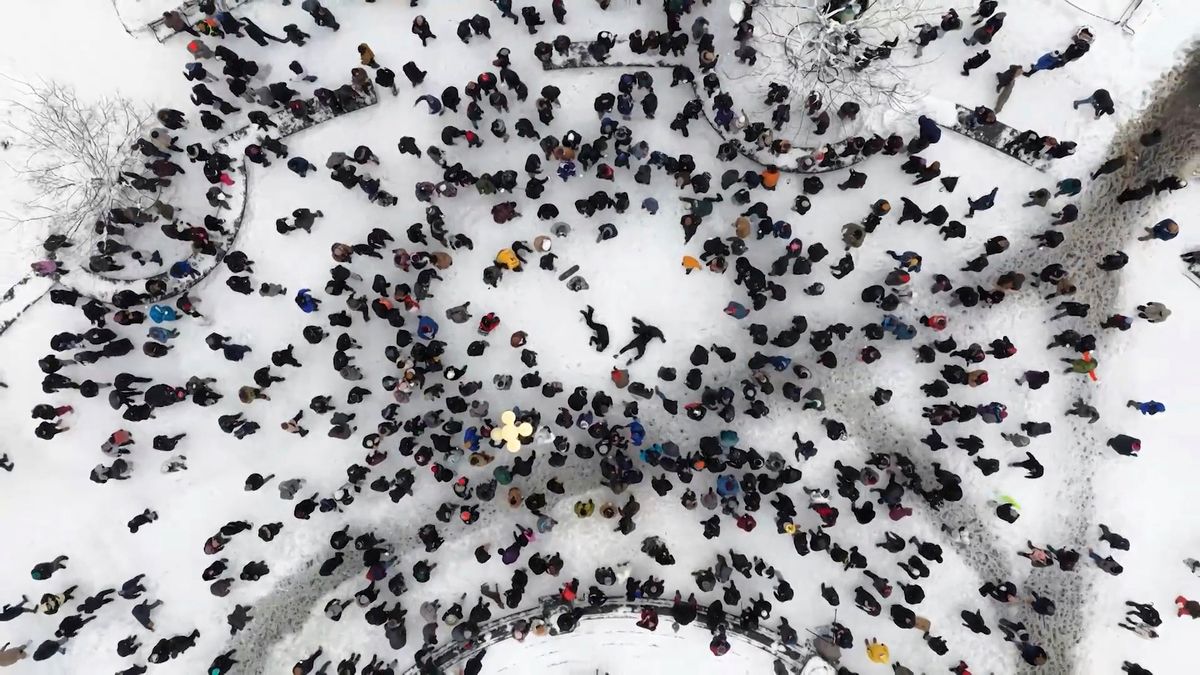
New York experienced a significant blizzard, leaving the city in a mixed state of chaos and charm. While hundreds gathered for a massive snowball fight in Washington Square Park, enjoying the transformation into a “Winter Wonderland,” the picturesque snow quickly turned to slush in areas like Times Square, signaling ongoing challenges. Tourists expressed delight, with one noting, “We don’t actually come from here, so it’s very unusual for us,” and another finding the experience “pretty cool” despite the cold, comparing the streetscape to a film. This dual perception highlights the unique impact of the extreme weather on the bustling metropolis.
Despite the initial recreational appeal, the blizzard presented serious problems for New Yorkers. Mayor Zohran Mamdani confirmed the city remains in a state of emergency. Although the travel ban was lifted by Monday afternoon, severe traffic warnings persisted until midnight, with the mayor strongly advising against all non-essential travel via cars, trucks, scooters, and e-bikes. This cautious approach underscores the authorities’ concern for public safety and the need for continued vigilance as hazardous road conditions lingered across the five boroughs, impacting daily commutes and essential services.
The impact of the massive winter storm extended far beyond New York City, affecting the entire US East Coast. A comprehensive blizzard warning had been issued for over 40 million people, leading to widespread disruption. Monday alone saw more than 8,000 flights cancelled nationwide, severely impacting air travel. Heavy, wet snow combined with strong winds caused trees to topple, damaging crucial power lines and resulting in extensive outages. Coastal areas of Massachusetts also grappled with significant flooding, further exacerbating the challenges faced by millions as infrastructure struggled under the storm’s intensity.
By Monday evening, approximately 500,000 households along the East Coast remained without electricity, highlighting the severe damage to power grids. A blizzard is officially defined as a snowstorm characterized by high wind speeds, significantly reduced visibility, and the potential to temporarily paralyze public life. This recent event was comparable in scale to a similar storm that swept across the US East Coast at the end of January, marking it as one of two major winter events for the region this year. The recurrent nature of such extreme weather events raises questions about preparedness and resilience.
Source: Read Original
