


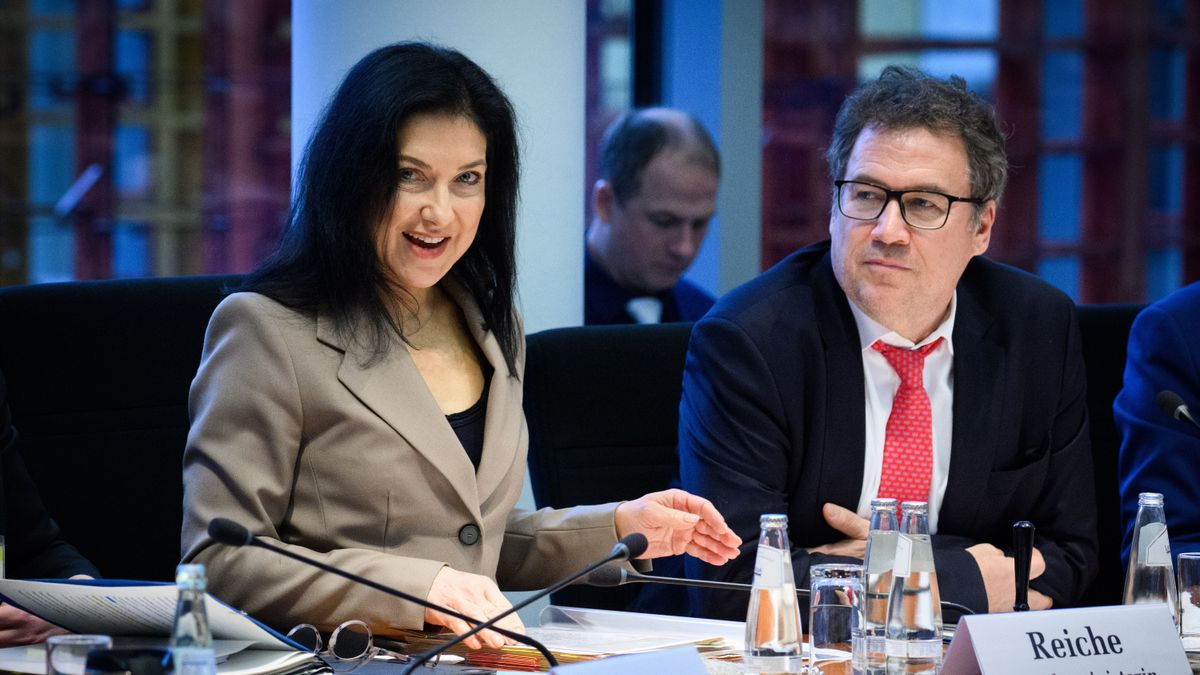
Katherina Reiche, Germany’s Minister for Economic Affairs, has garnered significant support from the CDU/CSU’s business wing amidst an escalating debate over relief measures for soaring fuel prices. Christian von Stetten, chairman of the parliamentary group for small and medium-sized enterprises (Mittelstand), publicly affirmed Reiche’s position, stating she is “completely right” and enjoys broad backing from the parliamentary faction. Von Stetten praised Reiche’s performance since taking office, emphasizing his continued confidence in her leadership, even after her recent confrontation with coalition partner SPD regarding energy policy. Reiche sharply criticized the SPD’s proposals, labeling them “expensive, ineffective, and constitutionally questionable,” directly challenging Vice Chancellor and SPD Finance Minister Lars Klingbeil’s approach to the energy crisis.
This public display of defiance by Minister Reiche did not go unnoticed, particularly by CDU leader Friedrich Merz. Reports from the Chancellor’s circle indicate that Merz was “dismayed by the public exchange of blows” between Reiche and the SPD. He reportedly urged his party colleague to exercise restraint, reminding her of a clear agreement made during a ministerial meeting to work out consensual proposals on energy policy. The Chancellor himself had previously instructed Klingbeil and Reiche to develop a unified government response to the high energy prices, while Merz had internally cautioned his coalition partners about maintaining discipline to protect the “black-red reform agenda” from public disputes. However, these admonitions appear to have had limited immediate effect.
The controversy surrounding Reiche’s stance intensified when a prominent voice from the CDU’s social wing called for her immediate removal. Christian Bäumler, deputy head of the CDU’s employee wing (CDA), suggested that an “exchange” of the minister was unavoidable, especially given her perceived defiance of the Federal Chancellor. This demand for Reiche’s ouster quickly sparked a counter-reaction within the party. Dennis Radtke, the chairman of the CDA, swiftly retracted Bäumler’s statement, emphasizing the need for robust policy debates rather than engaging in premature personnel discussions. This internal dispute underscored the deep divisions within the CDU regarding the handling of the energy crisis and the government’s overall reform agenda.
Despite the calls for her resignation from some quarters, Katherina Reiche continues to receive strong endorsements from key figures within the CDU. Christian von Stetten, countering Bäumler’s demand, remarked that “calls for resignation from the CDA actually always have the opposite effect and support the person concerned throughout the party.” Further bolstering her position, Johannes Winkel, chairman of the Junge Union (CDU’s youth organization), publicly declared his full support. Winkel hailed Reiche as “the voice of the social market economy in the federal government,” asserting that she “deserves every support” for her current course. This widespread backing from influential party factions suggests Reiche’s position remains strong, despite the ongoing coalition tensions and internal party disagreements over energy policy.
