


The Social Democratic Party (SPD) has issued a stern warning to the conservative CDU/CSU Union regarding potential obstructionist tactics concerning the federal “Schuldenbremse” (debt brake). This political escalation underscores growing tensions within Germany’s political landscape, as fiscal policy and future budgetary planning intensify. The SPD emphasizes the critical importance of a collaborative approach to national finances, cautioning that any deliberate blockade by the opposition could destabilize necessary legislative processes and jeopardize economic recovery. This warning highlights deep-seated disagreements over the interpretation and application of the constitutional debt brake, reflecting SPD’s concern that partisan maneuvering could impede the government’s ability to respond to economic challenges and investment needs.
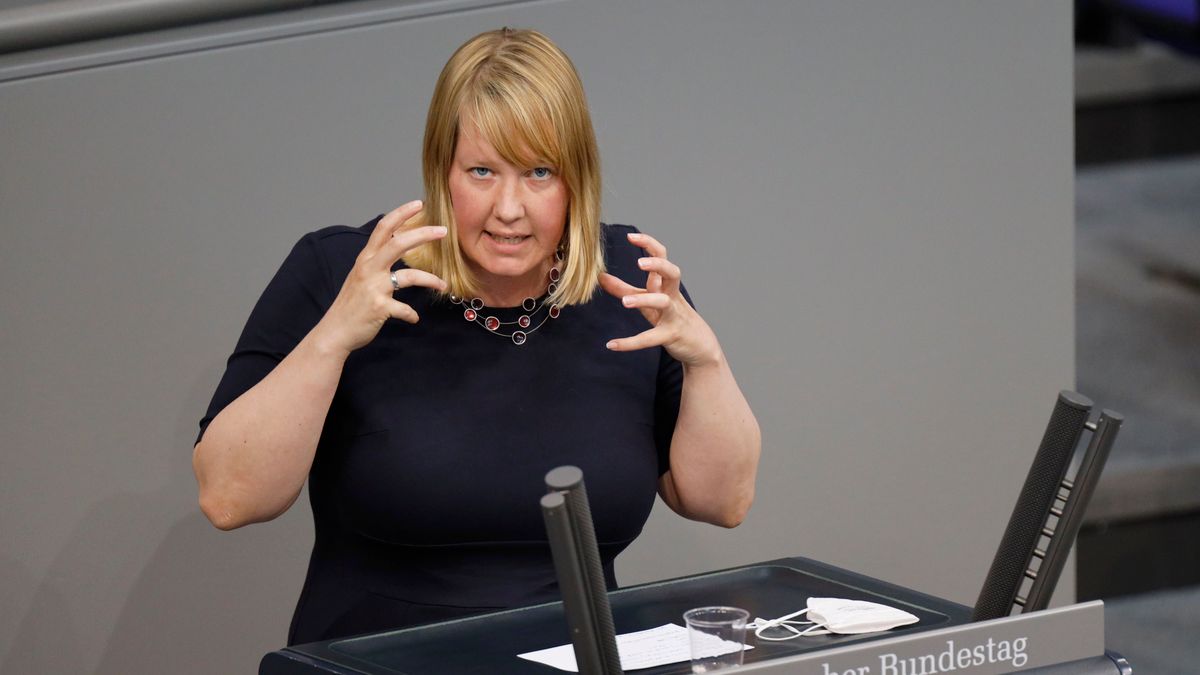
Adding weight to the SPD’s position, leading SPD politician Wiebke Esdar articulated a clear message emphasizing the supremacy of governmental duty over purely partisan interests. Esdar stated unequivocally that “Parteitage ersetzen nicht die gemeinsame Regierungsverantwortung” (Party congresses do not replace shared governmental responsibility). This remark is potent in the current political climate, serving as a call for maturity and pragmatism from all political actors. Her statement implies that while internal party debates are vital, the ultimate commitment must be to the stability and functionality of the government and the nation, aligning with the broader mandate of governing rather than merely scoring political points.
The debate around the “Schuldenbremse” is a central, contentious issue. Designed for fiscal discipline, its rigid application faces criticism, especially for crisis response and crucial investments in climate transformation, digitalization, and infrastructure. The SPD seeks flexibility for future-oriented investments without stifling growth. The Union, conversely, advocates strict adherence, often accusing the government of attempting to circumvent the brake. This fundamental disagreement poses significant challenges for consensus-building, potentially delaying or derailing key governmental initiatives aimed at modernizing Germany’s economy and society.
The SPD’s warning and Esdar’s appeal underscore broader concerns about political cooperation in Germany. Effective governance relies on finding common ground amidst ideological differences. An outright blockade by the Union could lead to increased political gridlock, making it harder to pass essential reforms and budgets. The SPD signals its expectation for constructive engagement from the opposition, reminding all parties that their collective actions directly impact public trust and the country’s capacity to navigate complex challenges. The upcoming legislative period will likely be defined by how these disagreements are managed, and whether shared responsibility prevails.
