


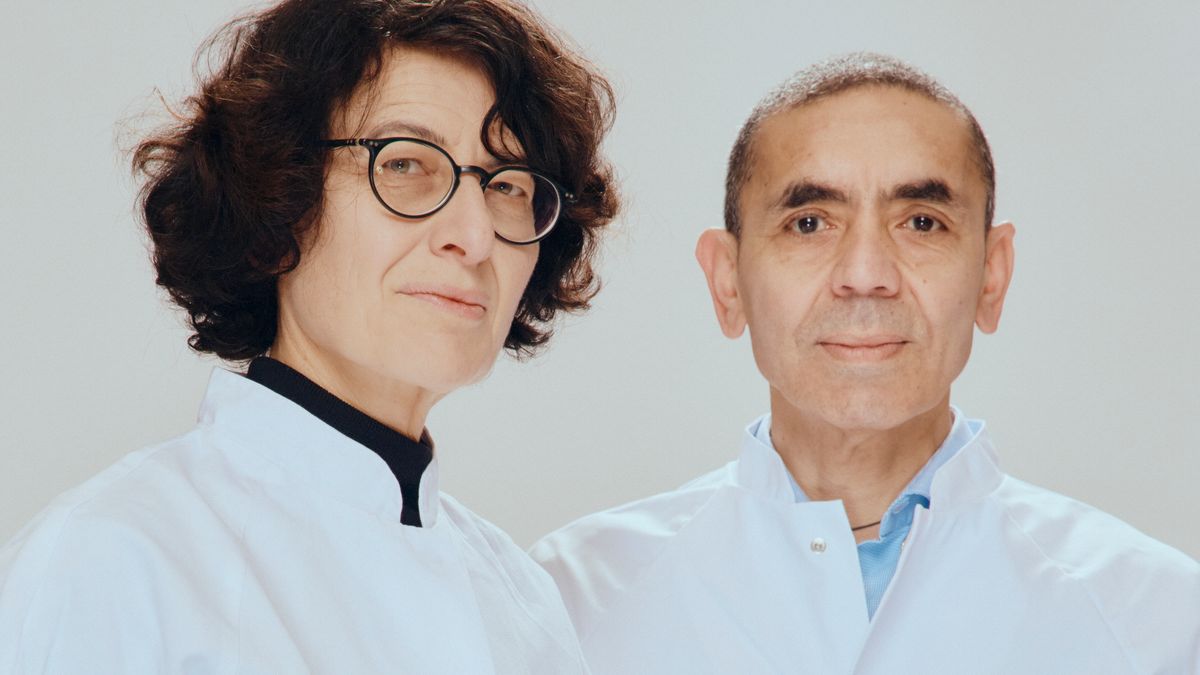
Uğur Şahin and Özlem Türeci, the visionary founders of BioNTech, are reportedly stepping down from their operational leadership roles, signaling a momentous shift for the pioneering biotechnology company based in Mainz. This development, metaphorically dubbed a “Götterdämmerung” – a twilight of the gods – by some observers, marks the culmination of an extraordinary chapter in global medical innovation. Their departure comes after a period of unprecedented success, most notably their groundbreaking work in developing one of the first and most effective mRNA-based COVID-19 vaccines, which played a pivotal role in combating the global pandemic. The news reverberates throughout the scientific community and financial markets, prompting reflections on the future trajectory of BioNTech and the broader landscape of pharmaceutical research.
Şahin and Türeci’s tenure at BioNTech transformed the company from a promising startup into a global pharmaceutical powerhouse. Their relentless pursuit of innovative cancer immunotherapies, which laid the groundwork for their mRNA vaccine technology, exemplified a rare blend of scientific rigor and entrepreneurial spirit. Their personal journey, as a couple and as scientists, often inspired admiration, embodying dedication to a cause beyond immediate commercial gain. The rapid development and deployment of the COVID-19 vaccine under their leadership not only saved countless lives but also fundamentally altered the public perception and scientific understanding of mRNA technology, opening new frontiers for vaccine development and therapeutic applications across various diseases. Their legacy is not just about a single product, but about demonstrating the immense potential of cutting-edge biotechnology to address urgent global health challenges.
The dramatic phrase “Götterdämmerung in Mainz” underscores the profound impact of their departure. It suggests the end of an almost mythical era led by individuals who achieved seemingly impossible feats. This metaphor highlights the extraordinary expectations and almost hero-worship surrounding their roles, especially during the pandemic. Simultaneously, their stepping down prompts a “kollektive Selbstvergewisserung” – a collective self-assurance or reaffirmation – within the company and perhaps within Germany’s scientific community. It forces BioNTech to re-evaluate its identity, strengths, and future direction beyond its iconic founders. This period of reflection is crucial for cementing the institutional knowledge and innovative culture that Şahin and Türeci painstakingly built, ensuring the company can continue its mission with renewed leadership and strategic focus.
As Şahin and Türeci transition out of their current operational roles, the focus shifts to BioNTech’s next phase. The company faces the challenge of maintaining its innovative edge, navigating a post-pandemic landscape, and translating its mRNA platform into successful treatments for cancer and other diseases, areas where its initial research was concentrated. The new leadership will be tasked with building upon the solid foundation left by the founders, fostering continued scientific discovery, and adapting to an increasingly competitive global biotechnology market. While their physical presence in leadership may diminish, the scientific philosophy and entrepreneurial spirit instilled by Şahin and Türeci are expected to remain deeply embedded within BioNTech’s corporate DNA, guiding its pursuit of future breakthroughs and ensuring its enduring impact on global health.
