


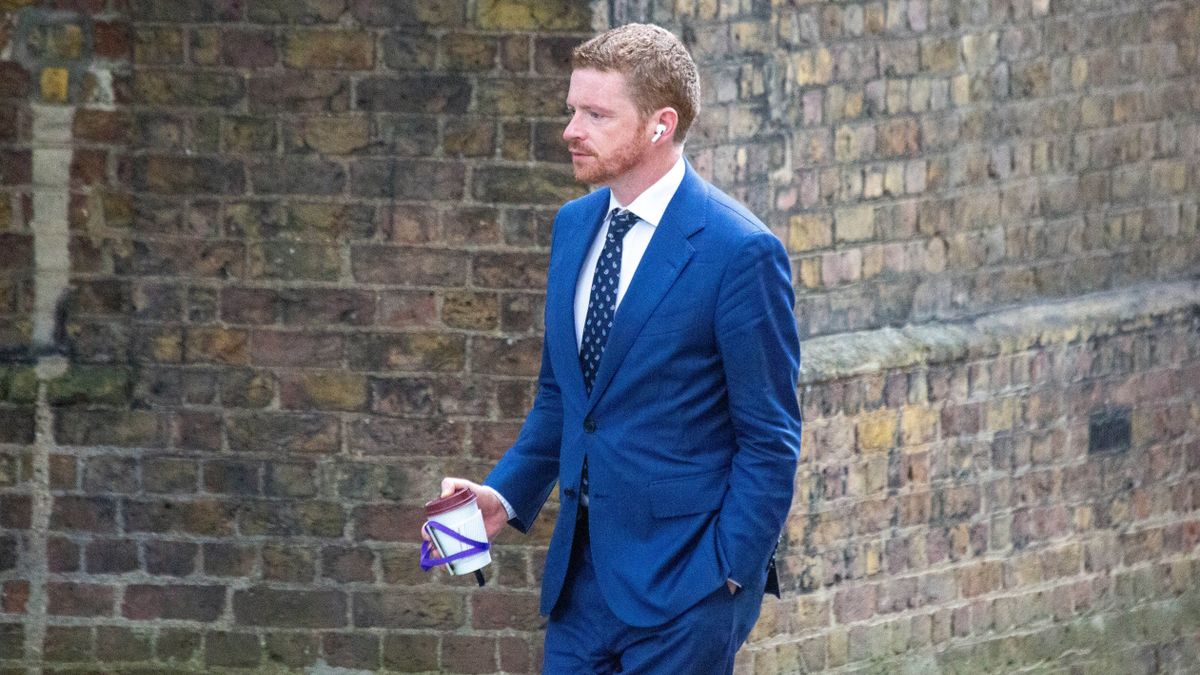
Morgan McSweeney, the highly influential chief strategist credited as the architect behind Labour’s recent electoral successes, has unexpectedly resigned from his pivotal role. His departure sends significant tremors through the party, coming directly in the wake of the controversial appointment of Peter Mandelson to a key position. McSweeney’s decision highlights simmering internal dissent regarding strategic direction and the reintegration of figures from previous Labour governments, prompting immediate speculation about the stability of the party’s leadership and its future campaigning efficacy. His role was seen as instrumental in crafting the modern Labour message and electoral approach, making his exit a substantial blow to the party’s operational core.
McSweeney’s reputation as a master strategist was solidified through his meticulous planning and execution of campaigns that significantly boosted Labour’s standing. He was lauded for his ability to bridge factions, innovate campaign methodologies, and deliver a coherent vision that resonated with a broad electorate. Under his guidance, the party successfully navigated complex political landscapes, consolidating support and building momentum towards what many anticipated would be future electoral breakthroughs. His strategic prowess extended beyond mere tactics, encompassing a deep understanding of public sentiment and political narratives, which he expertly wove into compelling campaigns.
The contentious appointment of Peter Mandelson, a prominent figure from the New Labour era, appears to be the immediate catalyst for McSweeney’s resignation. While details remain sparse, it is understood that fundamental differences in strategic vision and an ideological clash regarding the party’s direction under new leadership may have precipitated the strategist’s exit. Mandelson’s return to a position of influence has evidently stirred unease among some within the party who favour a fresh approach, untainted by past associations. This friction underscores a broader debate within Labour about its identity and the optimal path forward to achieve and maintain power.
McSweeney’s departure leaves a considerable void at the heart of Labour’s strategic operations. The challenge now falls to the party leadership to swiftly address the strategic vacuum and reassert stability amidst internal turbulence. Analysts suggest that the fallout from this resignation could have far-reaching implications for Labour’s upcoming electoral challenges, potentially disrupting carefully laid plans and forcing a re-evaluation of its campaign framework. The search for a successor capable of matching McSweeney’s acumen and unifying influence will be critical in determining Labour’s ability to sustain its progress and convert recent gains into lasting political power.
Source: Read Original
