


Germany grapples with persistent high fuel prices, sparking widespread frustration among citizens and businesses alike. Despite past interventions like the “Tankrabatt” (fuel rebate) and ongoing debates surrounding measures such as a “Tempolimit” (speed limit), the core issue remains unresolved. The initial promise of relief from the Tankrabatt appears to have largely evaporated, leading many to question its actual effectiveness in cushioning consumers from the brunt of global energy market fluctuations. The perception that the “Tankregel” (fuel rule/policy) simply “does not work” is gaining traction, putting immense pressure on political leaders to re-evaluate their strategies and find more sustainable solutions. This situation highlights a critical disconnect between political initiatives and their tangible impact on everyday life for millions of drivers in Germany.
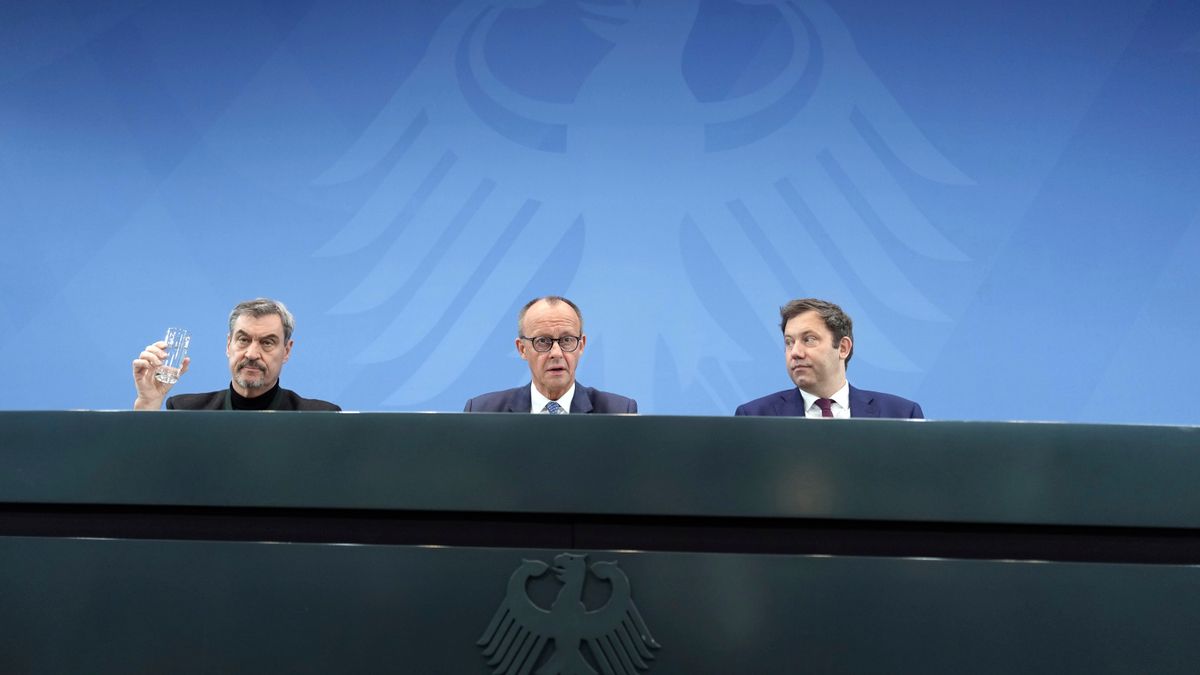
In this charged atmosphere, prominent political figures are being directly called upon to act decisively. Bayern’s Ministerpräsident Markus Söder, Bundeskanzler Friedrich Merz, and Finanzminister Lars Klingbeil are now facing intensified demands to intervene. The narrative suggests that mere observation is no longer sufficient; these key players in German politics are expected to formulate and implement effective measures to address the burgeoning crisis at the pumps. Their combined influence across state, federal government, and finance portfolios places them at the epicenter of public expectation. The question “what do we do now?” is pointed squarely at them, signaling a need for coordinated action that transcends party lines and offers genuine relief.
The “Tankrabatt,” introduced as a temporary measure to alleviate the burden of rising fuel costs, aimed to reduce the tax on petrol and diesel. However, its effectiveness has been a subject of contentious debate. Critics argue that much of the reduction was absorbed by oil companies or diluted by market dynamics, failing to reach consumers fully. Simultaneously, discussions around a nationwide “Tempolimit” on Autobahns, often floated as a way to reduce fuel consumption and thus costs, remain a divisive topic, with no clear consensus or immediate implementation in sight. These past and proposed interventions underline the complexity of the challenge, where global market forces, taxation policies, and behavioral changes all play a role. The current situation demands a comprehensive understanding of why previous attempts fell short and what structural issues need addressing.
As public discontent mounts, the spotlight intensifies on Söder, Merz, and Klingbeil to present a credible path forward. Potential solutions could range from revisiting energy taxation structures, exploring new forms of direct consumer relief, investing further in public transport alternatives, or even engaging in stronger regulatory oversight of the fuel market. The urgency of the situation necessitates a clear, actionable plan that acknowledges the limitations of previous measures and provides a long-term perspective rather than temporary fixes. The political leadership faces the formidable task of restoring public trust by demonstrating that they can indeed make the “Tankregel” work for the benefit of all citizens, safeguarding economic stability and social cohesion in the face of ongoing energy price volatility.
