


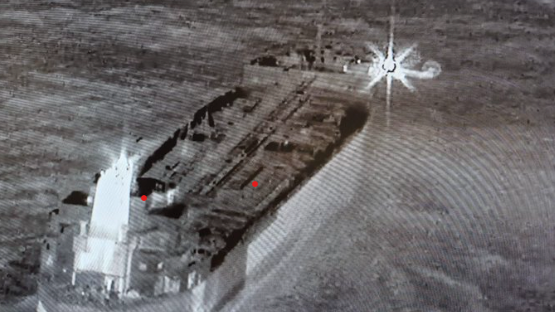
Belgium’s armed forces, with critical support from French defense, announced they successfully boarded and seized an oil tanker belonging to Russia’s so-called “shadow fleet” overnight. Defense Minister Theo Francken confirmed on Platform X that the vessel is currently being escorted to the port of Zeebrugge, where it will be officially confiscated. Belgian Prime Minister Bart de Wever extended his congratulations to the military for their “successful operation,” thanking French partners and reaffirming Belgium’s commitment to upholding international maritime law and the security of its sovereign waters. This decisive action, dubbed “Operation Blue Intruder,” marks a significant step in countering illicit maritime activities in European waters.
The Russian shadow fleet consists primarily of often dilapidated and inadequately insured tankers operating under flags of convenience from nations such as Gambia, Panama, or the Comoros. These ships are instrumental in transporting Russian crude oil to markets in countries like China and India, where the oil is processed and then sold internationally, effectively masking its Russian origin to circumvent international sanctions. France estimates the total size of this fleet to be between 1000 and 1200 vessels, with a substantial portion, around 650 to 700 ships, directly involved in sanction-evading operations. This intricate network poses a considerable challenge to global efforts to enforce sanctions and maintain maritime safety.
Beyond economic circumvention, vessels of the shadow fleet are increasingly suspected of engaging in more nefarious activities, including deliberate damage to critical Western underwater infrastructure. This includes vital power and data cables, as well as gas pipelines essential for European connectivity and energy supply. A reported incident involved the tanker “Eagle S,” operating under the Cook Islands flag, which allegedly severed multiple undersea cables between Estonia and Finland with its anchor on Christmas Day 2024. Furthermore, the European Union has repeatedly issued warnings that these shadow fleet ships could potentially be utilized as covert platforms for launching drones, facilitating disruptive or espionage attacks against strategic European assets.
This recent seizure by Belgian forces, bolstered by French assistance, underscores a growing international resolve to address the multifaceted threats posed by the Russian shadow fleet. By intercepting and confiscating such a vessel, Belgium not only reinforces the principles of international maritime law but also sends a clear message regarding the protection of its territorial waters and broader European security interests. The operation could lead to increased scrutiny and coordinated efforts against these illicit shipping networks, potentially impacting their operational freedom in key strategic waterways like the North and Baltic Seas, thereby enhancing overall maritime safety and the integrity of international sanctions regimes.
Source: Read Original
